

George Pennell
Created on
May 29, 2026
Updated on
May 29, 2026
In this article, we'll talk about welfare facility cleaning and why it's an essential service in the UK.
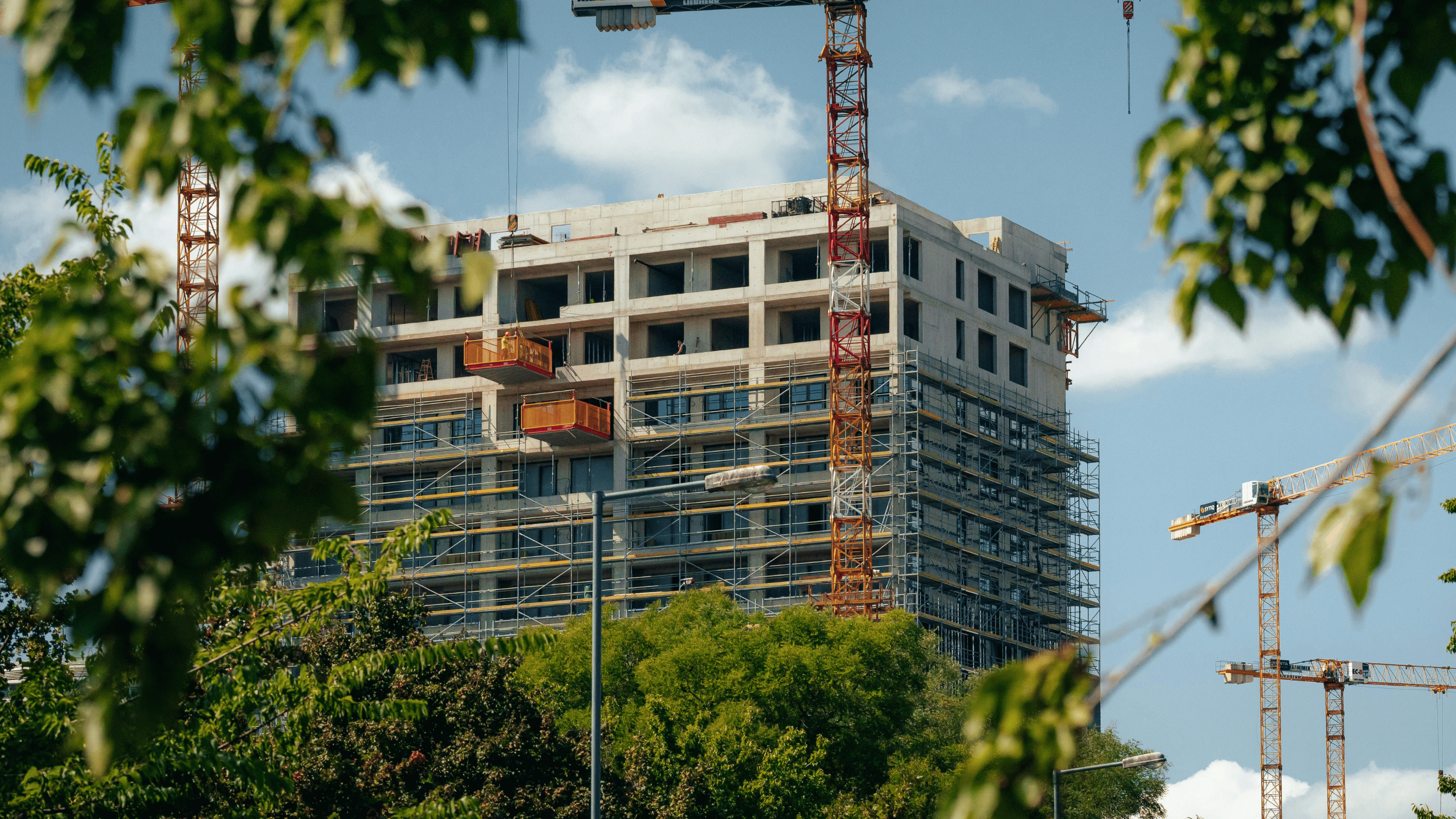
Clearing up rubble, debris, and dust isn't the only important element of cleaning on a construction site. Welfare facilities, where construction workers and contractors will make their lunch, eat and rest, use the toilet, and perhaps even shower and dry their clothes, are equally as important to keep clean. A regular cleaning schedule for these welfare units is essential, and for good reason.
In this article, we'll talk about welfare facility cleaning, why it's an essential service, and what could happen if you fail to keep facilities clean and safe for staff.
Welfare cleaning, or welfare facility cleaning, is the service of cleaning remote work site facilities to a specific standard. You will most commonly find them on construction sites where access to toilets, rest areas, and first aid points is limited. Regular cleaning ensures these facilities meet strict HSE standards while providing safe and hygienic spaces for contractors and construction workers.
The cleaning service will depend on what welfare facilities are on site. If the construction site is large or relatively remote, there is a strong chance it will include a wide range of facilities, including toilets, washrooms, changing spaces, food prep areas, eating and rest areas, and somewhere to store and dry clothing and PPE.
A team of cleaners will thoroughly clean any facility on site they have been contracted to do so. This could include:
All of these areas and more should be thoroughly cleaned with the appropriate chemicals and equipment for the task by professionals. Our cleaners at Vivo Clean are fully trained to ensure spaces and facilities are left safe, sanitised, and spotless.
It's no secret that construction sites can be messy and exhausting places. Construction work often requires a lot of energy and physical effort, with the added constant risk of getting covered in mud, dust, and other building site dirt. It's part of the job description, but that doesn't mean there should be no reprieve.
Welfare facilities are put in place to give construction workers and contractors a space to rest, prepare food and eat, use the toilet, wash, change, and use first aid equipment. Because of this, it is essential that these facilities are kept clean, whether you have only one small unit on site or an entire fleet of mobile areas.
A blocked toilet, a sauce-stain-covered table, or a slippery floor can be brutal for the morale of those already tired from work. Ensuring facilities are clean not only means keeping users safe, but also supports their mood and well-being.
Happy, well-looked-after workers tend to be more motivated and productive, not to mention healthier, as regular cleaning reduces the chance of germs and viruses that could result in staff needing time off.
Keeping facilities on construction sites clean is also important because it is illegal not to. Let's look at the regulations and what could happen if your welfare facilities fail to meet them.
Keeping welfare facilities on construction sites clean isn't just courteous; it's the law. The Construction (Design and Management) Regulations 2015 are a set of UK health and safety laws that govern construction projects specifically. Their regulations state:
"So far as is reasonably practicable, sanitary conveniences and the rooms containing them must be kept in a clean and orderly condition." (paragraph 1.3) and "Washing facilities and the rooms containing them must be kept in a clean and orderly condition." (paragraph 2.5)
These can be found in Schedule 2, Minimum welfare facilities required for construction sites. The CDM is the law.
The Health and Safety Executive (HSE) is the government body that oversees and enforces the Health and Safety at Work etc. Act 1974 (HASAWA 1974), and our national regulator for workplace health and safety. The HSE carries a lot of weight, both practical and legal, and is responsible for ensuring your construction site meets CDM guidelines. They are essentially the 'police' for the HASAWA 1974, using the CDM as their rulebook when dealing with construction projects.
Because of their enforcement power, an inspector on behalf of the HSE can turn up at a construction site at any time. If they find your facilities don't meet CDM standards, at best, you will be issued with an improvement notice, and at worst, they will order you to stop work immediately. This can cause you significant delays and costs.
You could also be fined per hour if the HSE finds a serious breach for the length of time it takes them to inspect, report on, and investigate you. Trust us when we say this is not a fine you want to pay; as of May 2026, it's £188 per hour, and it currently goes up annually.
The HSE recommends that welfare facilities be cleaned at least once a week, but it should be done more frequently if necessary. If the construction site is particularly dirty, for example, a muddy site in a very wet area of the UK, or a site dealing with a lot of very dusty rubble or materials, units may need to be cleaned more regularly, perhaps even daily. You will need to assess how unclean the facilities are likely to become with the continuous comings and goings of your staff and plan a cleaning schedule accordingly.
Whether the construction project is long, short, small-scale, or large-scale, Team Vivo Clean is fully equipped to handle the job. Our amazing team of cleaners are fully trained and certified, with a comprehensive understanding of the best products and methods to use when tackling your various welfare facilities.
We offer COSHH information for all chemicals we use, but we can also use the products or equipment of your choice, if preferred. To ensure you're satisfied with our work, we perform regular inspections and audits of our own cleaning jobs to make sure everything is happening as it should be.
Are you finished with the building stage? Make use of our expert builders clean and sparkle clean services and handover a sparkling, sanitary.
If you have a construction job on the horizon and need a team of contract cleaners to tackle the welfare facilities, don't hesitate to get in touch with us today.
.png)
.png)